Recently, you might have seen a headline in the news that reads something along the lines of “Gen Z is not having enough kids to keep up with employment demands.” In this and similar articles, the authors often mention how the rate of children born amongst Gen Z and Millennials is much lower than previous generations, and how that can cause some issues for the job market over time.
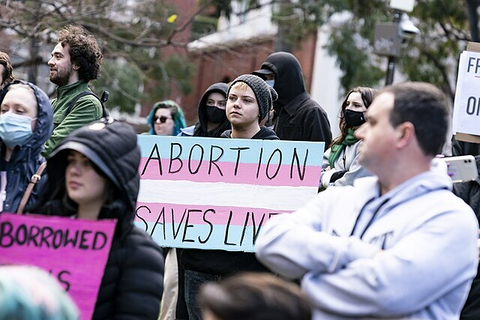
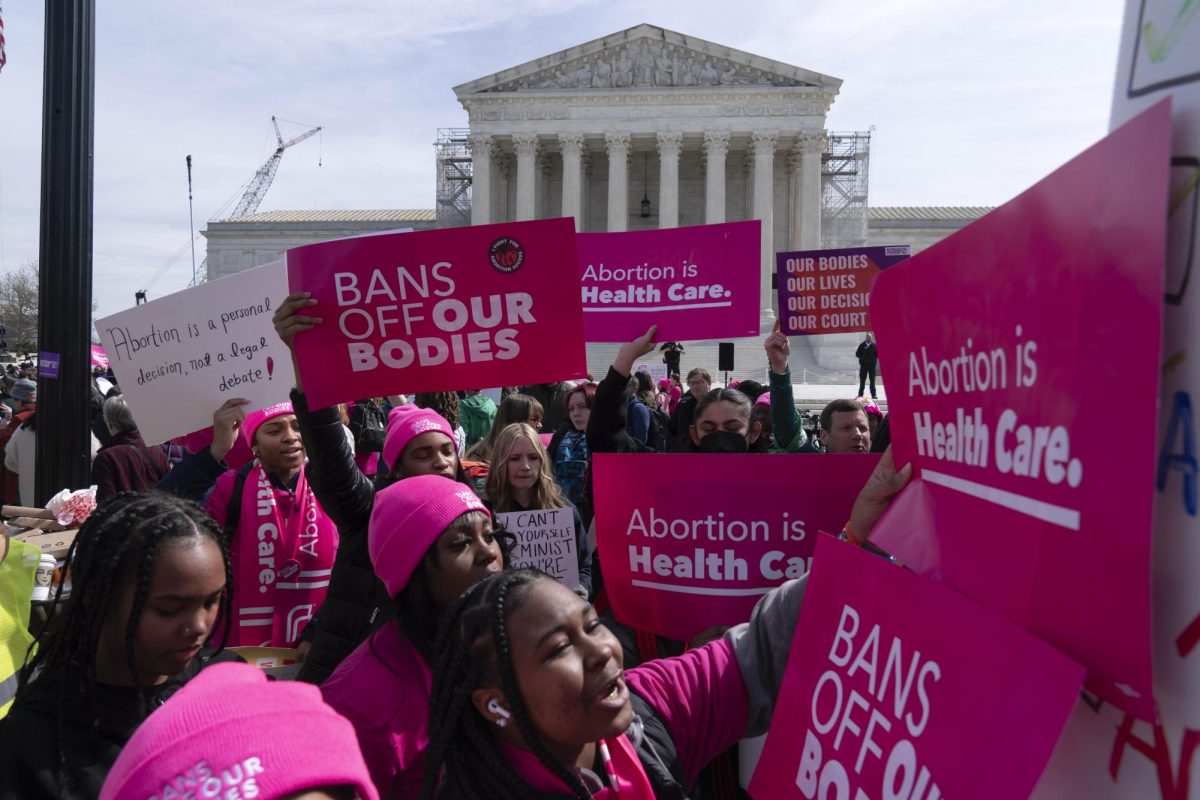
This has led to some people acting overly pushy about having children, even proposing to take away contraception and abortion.
There are many factors that a lot of these people don’t seem to take into consideration, however.
Every species on Earth has a population limit before ecosystems become unbalanced. This includes a variety of factors such as food, space and dangers like predators and natural disasters.
As humans, we have the luxury of being at the top of the food chain, so we have far more control over where we get to live and how we set up the environment. But we have to be incredibly careful that our actions don’t lead to an imbalance in habitats that cause other living beings to go extinct.
We have already seen how our massive surge in population has impacted our ecosystem. Thousands of acres of rainforest have been cleared to make room for more humans, leading to the destruction of many species.
Not to mention that humans tend to use up a lot of non-renewable resources that are found on Earth, and it’s only so long before those run out. If we are able to find another inhabitable planet or make another planet inhabitable, then this wouldn’t be as big of an issue, but we currently are unable to do that.
Another major issue that comes with the increased pressure to have children is pressure to limit things like contraceptives and abortion. This not only limits women’s rights, but it also leads to more children put up for adoption due to people not being able to raise their kids.
In the U.S., there are currently about 400,000 children in foster care. Each year, about 20,000 of these kids age out of the system. Furthermore, the rate of adoption for kids in the foster care system has decreased by 26% since 2019, with only 46,935 kids being adopted in 2024.
Children growing up in the foster system have significantly higher rates of mental illness than those who grow up with a family. It is estimated that around 80% of kids in foster care have serious mental health issues.
The longer a child stays in the system, the more likely they are to develop mental health issues due to the constantly unstable environment. Older kids are usually less likely to be adopted for this reason, or because people would prefer to have a baby.
Limiting access to things like abortion or contraceptives will inevitably increase the number of children without a stable home environment, increasing the number of adults with severe mental illnesses in the future.
It’s better to have a child be born into an environment where they will surely thrive, rather than risking them being born in an environment where they most likely will develop issues.
Lastly, children are expensive. The average cost of raising a child in the U.S. is over $29,000. The average American made roughly $70,000 in 2024. If someone were to have just two kids, over half of their budget would go to raising their kids, leaving very little room for money to be spent on rent, food and other basic necessities.
Furthermore, children who grow up in poverty are also more likely to develop mental health issues due to food/housing insecurity and the unintentional neglect they may experience because their parents are always working.
It is in a child’s best interest to be raised in an environment with security, even if that means people will never have children because they cannot afford it.
If the government is so concerned about not enough children being born, then they should provide more support to Americans who want kids but cannot afford them. There’s no use in guilting people into having kids when you don’t do anything to make it easier for them. That will only turn out for the worse for future generations.
Stop blaming younger generations for making responsible decisions and start blaming the government for not solving any problems.