

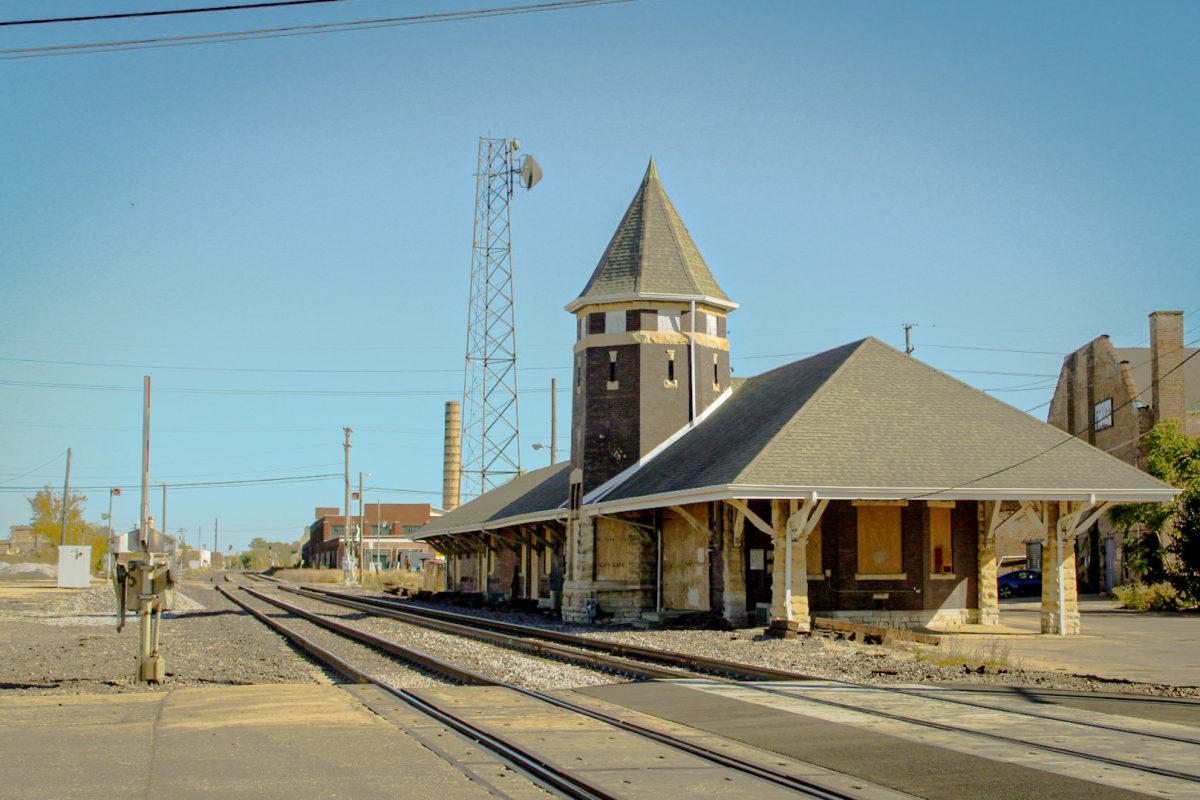
DeKALB – The City of DeKalb expects to know by the end of the year whether they can move forward with the second phase of a study to bring a Metra station to DeKalb.
Last year, DeKalb and NIU co-sponsored a feasibility study that provided insight into potential daily ridership and the broad community and economic impacts such an expansion could entail.
The next phase would involve a detailed study of community and environmental impacts. The city has applied for funding through the Illinois Department of Transportation (IDOT) to support this phase, but the timeline is uncertain.
“I’m expecting that we’ll receive an announcement on it soon that we’ll be able to put in front of the DeKalb City Council,” said DeKalb’s Transit Manager Mike Neuenkirchen.
According to the study conducted by Sam Schwartz, a Chicago-based engineering design firm, the line would have an estimated daily ridership of around 259 people on weekdays and 189 on weekends if the extension were to be implemented. The study analyzed travel patterns within DeKalb County and utilized cellphone signals to track movement in and out of the area.
According to Neuenkirchen, the city has conducted surveys indicating support for the Metra extension.
Despite the numbers, financial and logistical challenges remain. According to Neuenkirchen, substantial upgrades to the existing rail line will be needed, as well as community support through a referendum to support project costs. The extension would also require the city to coordinate with the Regional Transportation Authority or with Metra.
“There are many steps that must be taken,” Neuenkirchen said.
If approved, the project to extend the Metra line to DeKalb could take up to 10 years to complete. The phase two study would also explore potential federal funding sources, which come with compliance requirements regarding environmental and historical impacts.




Phredd • Apr 24, 2026 at 7:41 am
DeKalb needs and should have that connection to Chicagoland. If this feasibility study is rooted in the bottom line profit motive, virtually all passenger trains fail the test. Passenger service has never been a winning area for the railroads, which is why Metra was created in the first place. If the service is initiated, it will provide an additional choice for people to utilize and may eventually produce numbers greater than the study currently predicts.