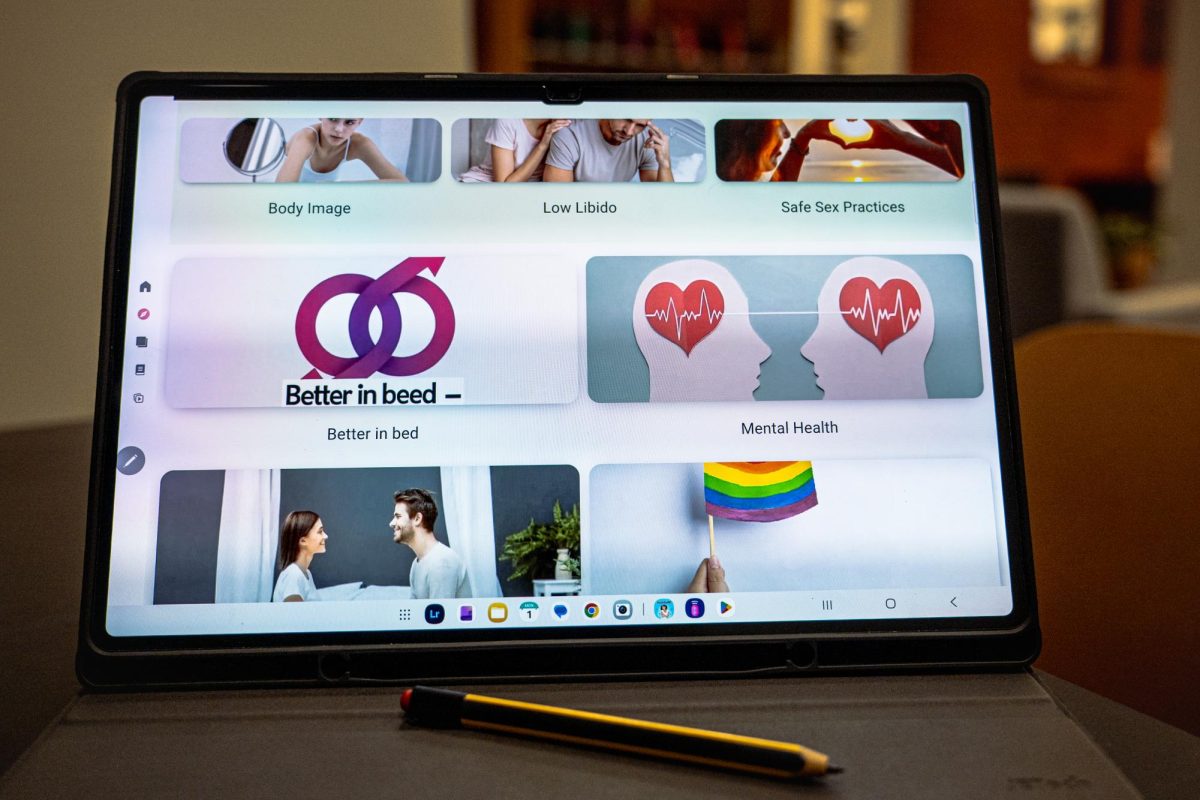
From period tracking to intimacy insights, sexual health apps are reshaping how people engage with their bodies one download at a time.
As mobile health platforms diversify, sexual wellness and digital sexual health apps are becoming increasingly visible in app marketplaces.
A 2024 market study predicts strong growth in digital health tools, including mobile apps, with the industry expected to expand by about 18.7% annually through 2033.
Dr. Justin Dubin, a Northwestern Medicine urologist specializing in men’s health and sexual wellness, said that over the past decade people have grown more comfortable with digital tools and have naturally begun using apps to manage their health.
These four sexual health apps are among the highest-rated based on publicly available user ratings and downloads. We downloaded and explored each app, though some features required upgrades or were blocked by paywalls. As a result the reviews reflect the free content.
We focused on key features that protect users’ sensitive information, including data encryption in transit. This ensures that personal data is scrambled as it travels between your device and the app, keeping it private. We also considered factors like whether the app is developed by a reputable team and grounded in credible medical information.
Downloads: 1M+ | Rating: 4.7 | Developer: Hims & Hers
Hims provides telehealth services for men’s health, including sexual wellness, mental health, hair growth, weight management and skincare.
Users can access prescription-based treatments and communicate directly with licensed providers through the app. Although this may appear like a helpful one-stop shop, the pricing for some medications can be steep; for example, “Hard Mints” chewable sildenafil and tadalafil, which is used to treat erectile dysfunction, is billed at $240 every three months and auto-renews. Ouch!
The app includes content about coping with anxiety, along with tools to track prescriptions and schedule refills. The app seems to target men through their insecurities, such as hair loss and sexual stamina, while presenting medications as the solution.
Pros: Licensed provider access, data encrypted, integrates medication management and telehealth in one app.
Cons: Subscription-based, seems predatory, some users report technical glitches and difficulties with cancellations and refunds.
Downloads: 1M+ | Rating: 4.5 | Developer: DGT YAZILIM
Kegel Men focuses on improving men’s pelvic health and intimate wellness through personalized exercise programs.
Users are guided through daily exercises for strengthening pelvic floor muscles, called kegels. As well as fitness routines, and breathing exercises designed by physiotherapists and doctors to support urinary, bowel and sexual health.
It also offers fitness challenges and informative tips on sexual intimacy which some users may find insightful.
Pros: Personalized exercise plans, evidence-based approach, data is encrypted.
Cons: Subscription-based with limited free access; some users report bugs on the app and difficulty canceling subscriptions.
Downloads: 100K+ | Rating: 4.3 | Developer: Rstream Labs.
Pleasure offers educational content on sexual health, including topics like safe sex practices, sexual boundaries and relationship guidance.
The app relies heavily on brief, engaging video-based lessons designed to enhance users’ understanding of sexual wellness.
While it does not indicate a target age group, it may appeal to anyone interested in learning more about sexual health. Its format certainly caters to the modern short video consumption culture.
Pros: Educational, both video and reading content, inclusive, user-friendly, user data is encrypted.
Cons: Occasional technical glitches, premium subscription pop-ups can be frequent and disruptive. No named clinical backing and appears to be content driven rather than expert led.
Downloads: 100K+ | Rating: 4.2 | Developer: Athais Inc.
This app is backed by psychologists, sex therapists and relationship researchers. It offers playful conversation prompts, guided intimacy exercises and expert advice to help couples strengthen emotional and physical connection.
The exercises and prompts are pre-designed, topic-based and presented as short activities or questions that partners can complete together.
Although partners are recommended to make regular check-ins with one another, independent reflection is also encouraged to give each partner space to consider their own preferences.
Pros: Helpful for relationship support, user data is encrypted.
Cons: May feel more tailored to long-term couples than casual daters.
When choosing a health app, Dubin said it’s important to check who developed it. Platforms built with input from doctors, therapists or reputable health organizations are more likely to provide trustworthy guidance, while those without clinical expertise may offer information that looks polished but lacks medical grounding.
Many people value the privacy and convenience of digital mediums but these services do not always address the medical issues behind sexual health concerns.
“So, direct-to-consumer is here to stay, but there are some weaknesses, right? You’re never seeing a doctor. We’re not getting to that underlying cause that usually only a doctor, by getting a full workup, getting an examination, can really do,” Dubin said.
Many health apps are built around subscription models or premium features, which can make them costly without guaranteeing useful outcomes. Users can end up spending money and time on features that don’t move them closer to resolving their health concerns.
“I think that talking to your doctor prior to using it is probably going to save you some money. It’s probably going to save you some time and prevent you from having false hope.”
Dubin said apps can be useful for keeping people engaged with their health and cultivating healthier behaviors. Features like reminders and tracking tools can help users pay closer attention to their habits between doctor visits.
Still, patients can hesitate to bring up sexual health concerns, which can leave important issues unaddressed. Starting the dialogue is the first step toward reducing stigma and getting needed care. Dubin offers the following advice to college students:
“I know it can be embarrassing, but it gets easier the more you normalize the conversation,” he said.