As we continue to move through winter at NIU, many of us would like to think that the term “spring semester” would indicate the blooming of nature and shining of the sun that comes with the spring season.
But it seems that the prediction from everyone’s favorite groundhog is in line with Northern Illinois’ weather patterns.
For some, the changing seasons come with unstable mood patterns that may go far beyond winter blues, commonly known as seasonal affective disorder or SAD.
What is seasonal depression?
SAD is a form of depression that occurs most commonly during the late autumn, lasting throughout the winter months. Shorter days with limited sunlight and freezing or below temperatures that inhibit activity can foster a sense of isolation, making it easier to lose motivation and harder to get things done.
Suzanne Degges-White, professor and chair of Counseling and Higher Education department at NIU, talked about how she defines seasonal affective disorder, and what it means.
“Seasonal affective disorder is depression, but it is based on the seasons and usually as the days get longer, it starts to clear up,” Degges-White said.
Degges-White then explained how the root of the issue isn’t exactly just in the cold weather, but in the lack of sun as well.
“Seasonal affective disorder is really based on the absence of sunlight. For me, it’s feeling blue because there’s not enough sunlight, and we’re spending too much time with blue light from our screens and not enough time with pure light from the sun,” Degges-White said.
The art of “positive peer pressure”
When we hear the term peer pressure, it’s normal to associate it with a more negative connotation.
However, like many things, peer pressure can be positive and be used as a force for good when wielded correctly.
Little things like bugging your friends to get out of bed and go with you to the Holmes Student Center or asking your roommate to bother you until you finish your next assignment can create environments that boost motivation.
Another way to combat that winter slump would be to set aside some free time, and take a look into putting back into your community.
“When we’re volunteering we’re doing something good for others, but the magic is our body rewards us with endorphins because we’re doing something good for ourselves and we feel proud,” Degges-White said.
“And when you’re a part of the team, that’s going to help you,” Degges-White said. “When you have to get out at 10 in the morning because you’re cleaning up somebody’s yard or whatever it might be, you’re going to do it. And the reward is I’m helping someone else. This makes me feel good and it’s important. I’m here, I’m making a difference.”
What can I do to help?
Well, for starters, it’s important to remember that it’s totally normal to feel the effects of seasonal depression.
For Huskies already handling the balancing act of keeping up with academics, jobs or internships, and other social responsibilities on campus, these changes to our circadian clocks can make everyday tasks feel overwhelming.
According to Associate Director of Student Wellness Sarah Moskal, preventative measures are just as important as doing something about the problem at that moment.
“Let’s say you’re in a little raft in the middle of the ocean and there’s these huge waves coming, it’s going to be really hard to stay on that raft. Whereas if you really invested in a great boat, it’s going to be a lot easier to ride those big waves,” Moskal said. “That’s why prevention and self-care is so important.”
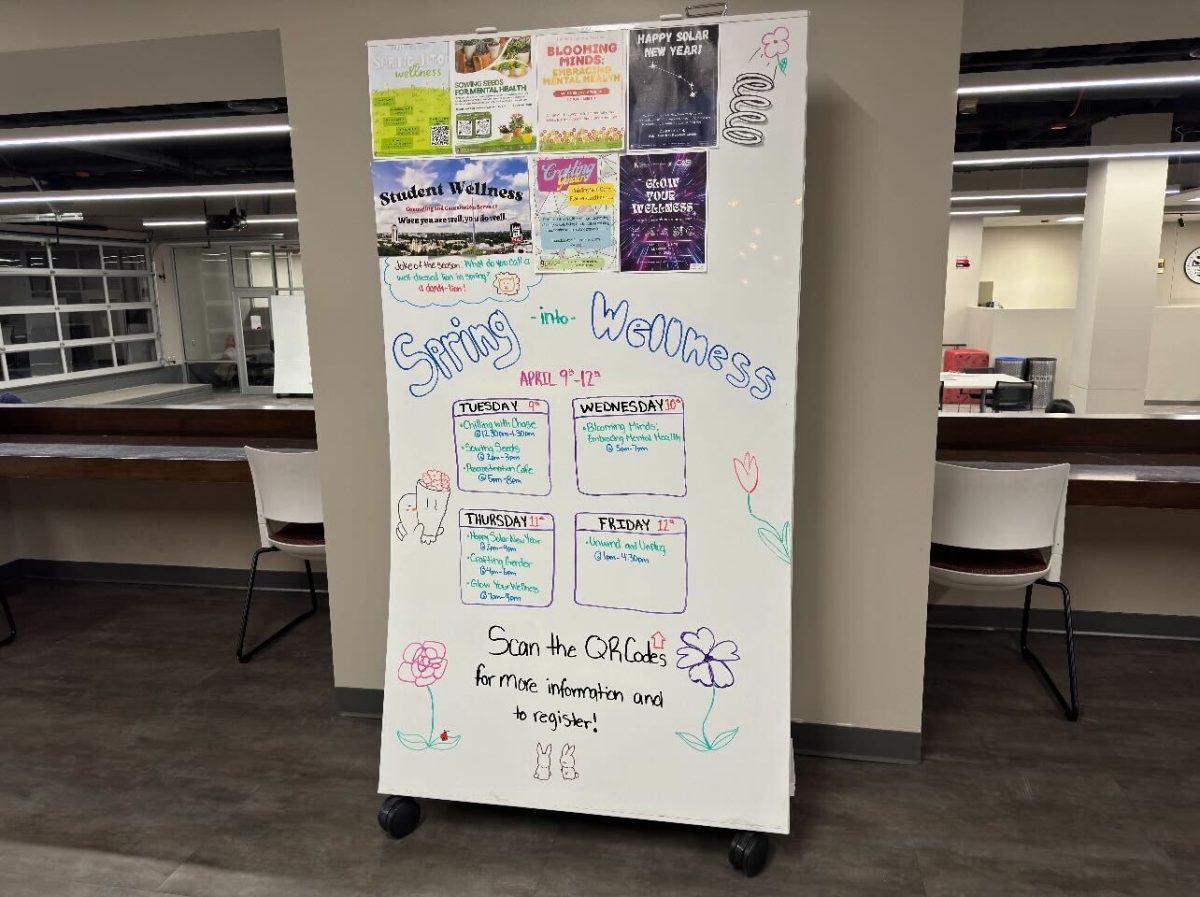
Consultation Services on campus offers free counseling services for full-time students, wellness groups provided by student focused organizations, a food pantry and a free clothing service.
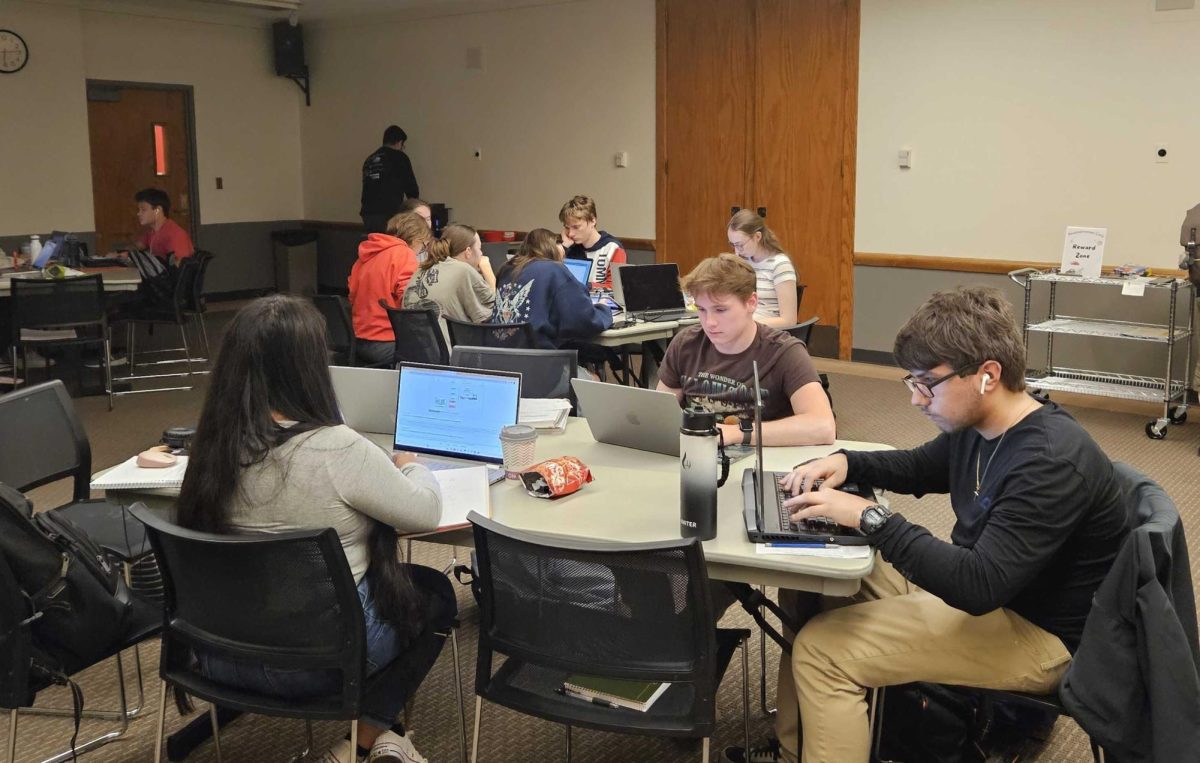
“Go out, do events, try things. We have workshops like Procrastination Cafe to help you tackle your procrastination habits. In Crashout Course we teach you different coping skills and stress management things every week and we offer it virtually and in person,” Moskal said.NIU offers a slew of services that are designed to help students navigate both academic and personal pressures, including the lack of motivation that comes with seasonal depression.
As daylight fades faster and temperatures drop lower, everyone should remember that even the small and meaningful things can create those warm, fuzzy feelings that might help them get through the winter season.
Counseling services are free for full-time students, and if you’re looking for support, Counseling and Consultation Services is open from 8 a.m. to 4:30 p.m. Monday through Friday in the Peters Campus Life Building, Room 200.