Throughout history, multiple nations had to face immense struggle in order to preserve or win their freedom. British, Venezuelans, Ukrainians, Greeks and Romanians are among the modern examples, and now the people from a Middle East country are facing a similar challenge.
While most Americans spent their weekend celebrating the Super Bowl or Valentine’s Day, the people of Iran are engaged in a struggle that may define not only their fate, but that of the entire Middle East.
The harsh moral conditions imposed by the regime, the multitude of rules to be followed by Iran’s citizens (especially women), the repression against any ideal or person who defied the supreme leader, the devaluation of the Iranian trial and high government spending on the military budget and nuclear project have offered several reasons for the Iranian people to revolt.
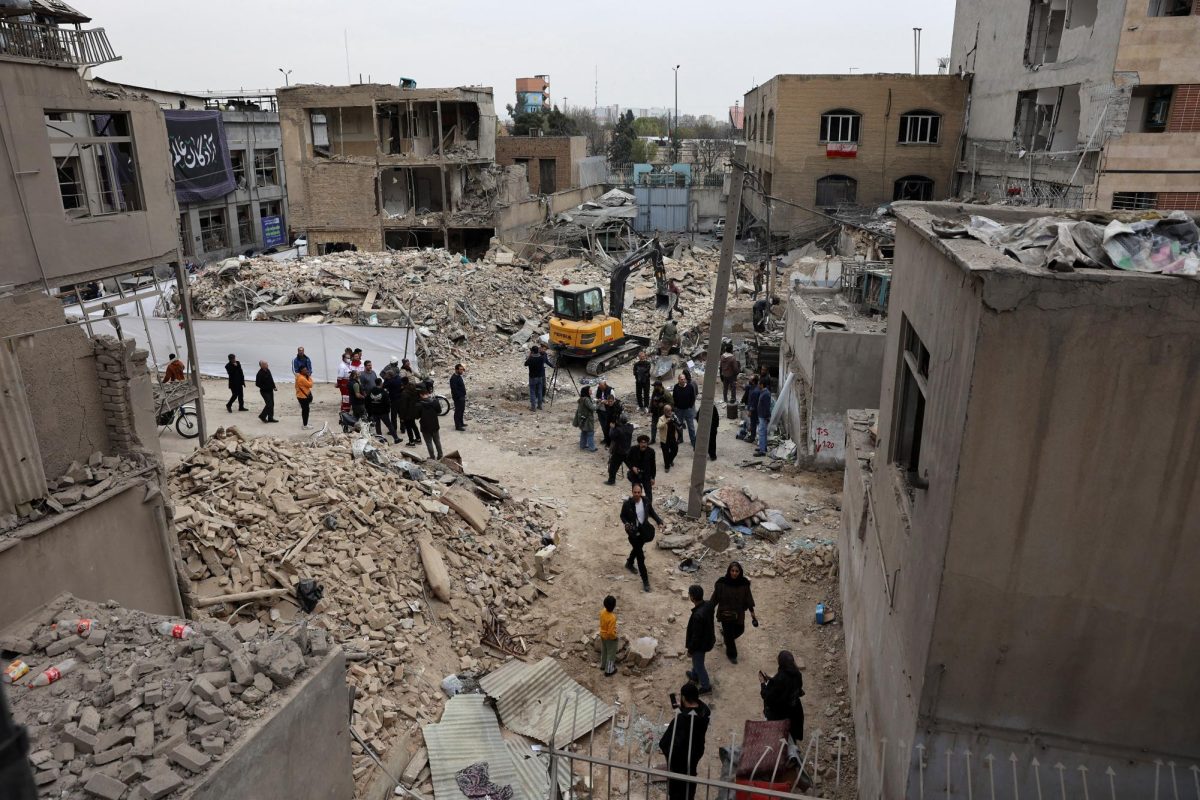
The streets of Tehran have become the silent witness of a massacre. Estimates vary widely, but range from 2,000 to 88,000 dead, making the protests the bloodiest of the 21st century.
Unfortunately, the regime has responded with the wildest repressive policy seen in this century, sounding more worthy of a dystopian science fiction series. Whether shot, beaten or even hit with vehicles, the Iranian revolutionary guard is determined to kill all protesters before allowing them to achieve their main goal – the end of the Islamic republic of Iran as a theocratic regime and opening up to liberal democracy.
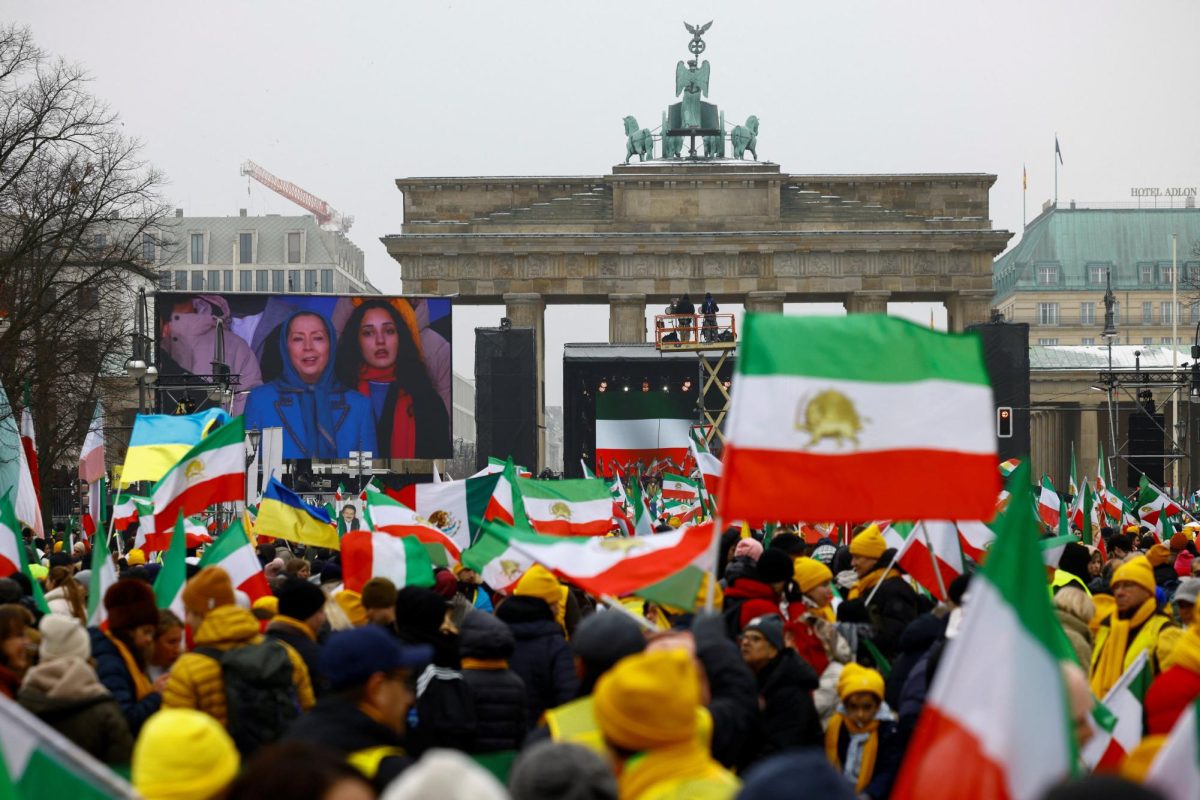
Not all Protestants seek the same thing, while some think of returning Iran to democracy, others protest for the return of the Shah, or better, the absolutist monarchy that ruled Iran before the 1979 revolution.
Although the humanitarian crisis caused by repression and the regime in general far outweighs anything that has happened in the century, it seems that the West has forgotten the Iranian people, and is unable to make a distinction between the theocratic government of the Ayatollahs and the Iranian people, who have shown much disagreement with religious suppression for several years.
In 2022, the murder of 22-year-old Masha Amani by Iran’s morality police sparked a series of protests against strict religious rules limiting women’s rights. The protests resulted in 554 deaths and thousands of detainees.
But the suffering of Arab peoples, with the exception of Palestine, doesn’t seem to be in the interest of NATO or the countries of the Western hemisphere. Even with the regime in its weakest state, and basic services in Iran on the verge of collapse, there have been nothing but statements by the various presidents of the European and U.S. bloc.
This doesn’t mean that we should all ignore such events when they go so far, since it is not just Iran.
The Kurds are an ethnic group belonging to Kurdistan, a region between Iraq, Turkey, Syria and Iran. They may be largely unknown, but their struggle is great.
The Kurds have sought independence from Kurdistan for centuries, and in more recent times they have managed to establish autonomous zones, despite active military resistance from the countries where they are located.
When the Islamic State threatened to turn the Levant into a terrorist state, the Kurds were the main force in the international conflict between ISIS and the world. While Russia and the U.S. simply bombed from the air, the Kurds fought fiercely shoulder to shoulder with Iraqi and Syrian forces against the jihadists.
The Kurds also took an active part in the Syrian civil war, helping to overthrow dictator Bashar al-Assad. However, the revival of the Syrian conflict, this time against the Kurds and the repressive policies of Turkey and Iran have left them in an increasingly vulnerable position.
Many members of these nationalities, people who are discriminated against or ignored by the crimes of their governments and who in turn are victims of their leaders, reside right here in NIU. People who must go about their daily lives, ignoring the conditions in which their loved ones or friends are right now, or if they are still alive.
For them, the university community must be supporting them, for all those who by geopolitical circumstances are forced to see their home burn, for those who had to leave long ago due to political or religious persecution or those who grew up far from the place and the town with which they feel identified.
Today it is Iran, but at the same time there are many nationalities of people who for some of these reasons came to this university, or to this country. It is not too late to offer words, advice or just the companionship that in the darkest and darkest moments can illuminate the light of hope.