There is no doubt the internet has remained an integral part of our lives and revolutionized the way we communicate with one another. In contrast to traditional forms of communication, engaging in online discussion may seem to have few drawbacks as users are given the opportunity to express their views anonymously through online forums.
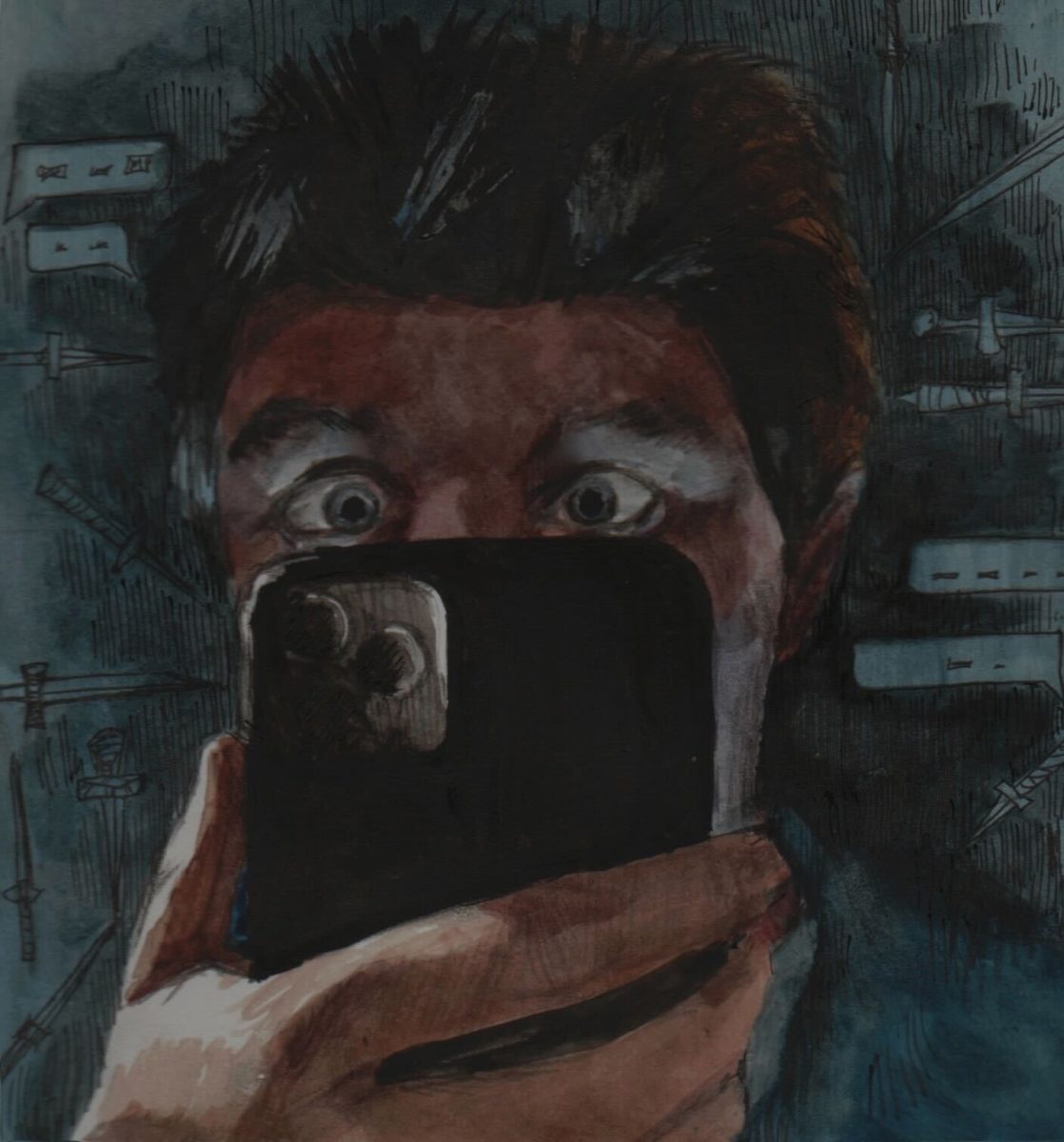
However, the anonymity and perceived freedom of expression offered online are often taken advantage of. When used for harmful purposes, online anonymity can amplify negative communication, ultimately leading to a phenomenon with real-world consequences: cyberbullying.
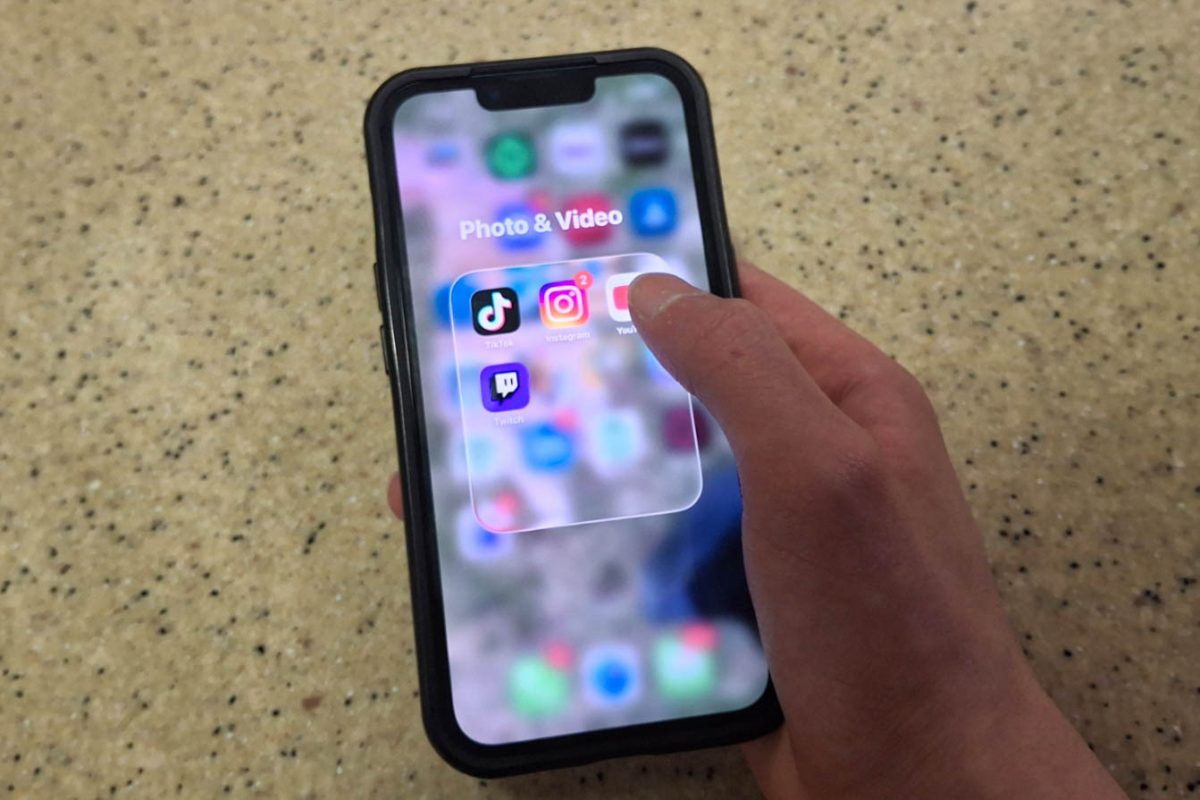
Cyberbullying is most prevalent on social media, where anonymity is a core feature for many platforms. Users can assume entirely different identities, making it difficult to connect one’s speech to a specific, real-life individual.Additionally, anonymous location-based social media platforms have become a popular option for those looking to connect with people in their immediate community. However, one of the biggest downsides to these platforms is their susceptibility to harassment and cyberbullying.
Arizona Sonoran News, the student newswire for the University of Arizona School of Journalism, reported that its community on the platform Yik Yak has created frequent cyberbullying examples. Yik Yak is one of the most popular anonymous social media apps among college communities according to Yik Yak’s website. Throughout the article, it is noted how the anonymity aspect contributed to the platform’s cyberbullying problem, turning many U of A students away rather than reaping the platform’s benefits.
NIU also has a Yik Yak community of their own, making it important to understand how anonymous comments affect not only those on the receiving end but the ones who choose to post them.
Sarah Triolo, a staff psychologist within NIU’s Counseling and Consultation Services department, explained the prevalence of cyberbullying cases when working with students.
“The most salient thing that comes to mind for me is how often I hear about [cyberbullying] in my work with students,” Triolo said. “It’s not only aggressive, sometimes it’s cyberbullying in the form of exclusion.”
Triolo also explained the general mental health trends she has noticed from working with victims of cyberbullying and how it could severely hinder someone’s mental state.
“It really tends to exacerbate low self-esteem. Folks are already trying so hard to put themselves out there, and it really tears them down further,” Triolo said. “It creates a lot of fear in people looking over their shoulders, feeling very hyper-vigilant about going to class or just navigating their day-to-day life.”
Beyond the mental hurdles that victims of cyberbullying may deal with on a daily basis, the feeling of social exclusion and harassment could lead to more severe behaviors of social isolation, depression and anxiety. However, this is something that most aggressors tend to overlook when engaging in this hurtful behavior, especially when they can’t be traced.
Madison Riffel, a graduate student studying clinical mental health counseling, has seen in research how cyberbullying affects not only the victim but the aggressor, too.
Riffel mentioned a 2024 study published by the Journal of Affective Disorders in which a higher prevalence of anxiety and depression were observed amongst Chinese college students who engaged in cyberbullying. Riffel pointed out how a large chunk of respondents self-reported that they fulfilled both the role of the cyberbully and the victim.
“There was a study done in China. There was a larger survey done of about 18,000 participants. In this study, there were about 4.7% of cyber bullies, and then there was 12.7% of both [cyberbully and cyber-victim],” Riffel said. “Even among those students, we see higher rates of depression, anxiety, almost similar to the victim.”
Riffel noted there was no clear winner when it came to cyberbullying, and everyone involved was negatively affected.
“[Cyberbullying] affects everybody in the situation, on the receiving end and [aggressor] end,” Riffel said. “Studies do not conclude that [cyberbullying] actually improves the mental health of cyberbullies.”
Regardless of whether you are completely anonymous or not, it is important to note that whatever you send, especially in a public forum, always has the potential to bring real-world consequences to whoever reads it. For victims, these hurtful messages can compound with confusion, as they may never know who wrote those messages and why they wrote them.
Cyberbullying, especially when done by an anonymous party, is extremely difficult to track and stop at the source due to its untraceable nature. So, the focus should instead be on responsible online usage, education and support of the victims.
The Northern Star ran a poll on Instagram asking users to share their personal experience with cyberbullying. Out of 99 total respondents, 54 respondents answered that cyberbullying had personally affected them in some way, either to themselves as a victim or to someone close to them.
As the majority of respondents have self-reported to have been affected by cyberbullying, this is a sign to current cyberbullying victims that you are not alone.
Matthew Turn, a senior majoring in human resource management, provided some tips on how to better support victims of online harassment or bullying if you know them personally.
“If it’s more of a situation of someone you know is being harassed or bullied online, then it’s mostly just trying to help out that person yourself,” Turn said. “Just trying to connect with them, give them support to talk about the issue and to make sure they know they’re not alone in the situation.”
NIU has an official cyberbullying guide detailing the appropriate steps and campus resources to utilize if you are a victim of a cyberbullying attack.
If you find you need a reliable support system, Counseling and Consultation Services offers both free consultation appointments and a 24/7 support line at 815-753-1206 that can help direct you to more resources.
Additionally, the department offers Togetherall, an anonymous sharing platform that promotes positive encouragement, expression and community. The service is free for NIU students.
Triolo explained how Togetherall, which is offered through her department, can connect students to an essential support community beyond NIU.
“Other universities who are also on the platform can see it, respond to it, provide encouragement and just really be there for one another,” Triolo said. “There is something to be said about the fact that oftentimes students aren’t necessarily the most willing to reach out to a counselor; they’re much more comfortable talking to a peer.”
Online anonymity may offer digital freedom to express oneself, but this is a freedom we must use cautiously and wisely. If you ever feel inclined to attack someone anonymously in the future, just remember that it has the chance to not only affect the victim, but also yourself. Clicking “post” is easy; living with the consequences isn’t.